 May 26, 2022
 How to Safely Ship Your Car During Texas Summer Heat
Summers in Texas are notoriously hot, with temperatures often climbing above 100°F (38°C) in areas like Dallas, Houston, Austin, and San Antonio. Even in coastal cities such as Galveston or Corpus Christi, the combination of heat and humidity can make driving and vehicle transport challenging. During these months, many residents choose to relocate, buy new vehicles, or move for work, which leads to a higher demand for car shipping services across the state.
For professional drivers transporting vehicles, the intense summer heat adds extra stress. Trucks and trailers heat up quickly, fuel consumption increases, and drivers must manage longer hours while ensuring that cars are loaded safely and protected from extreme temperatures. For vehicle owners, understanding the risks and taking preventive measures is crucial to ensure your car arrives in perfect condition.
How Heat Affects Cars on Open Trailers During Summer
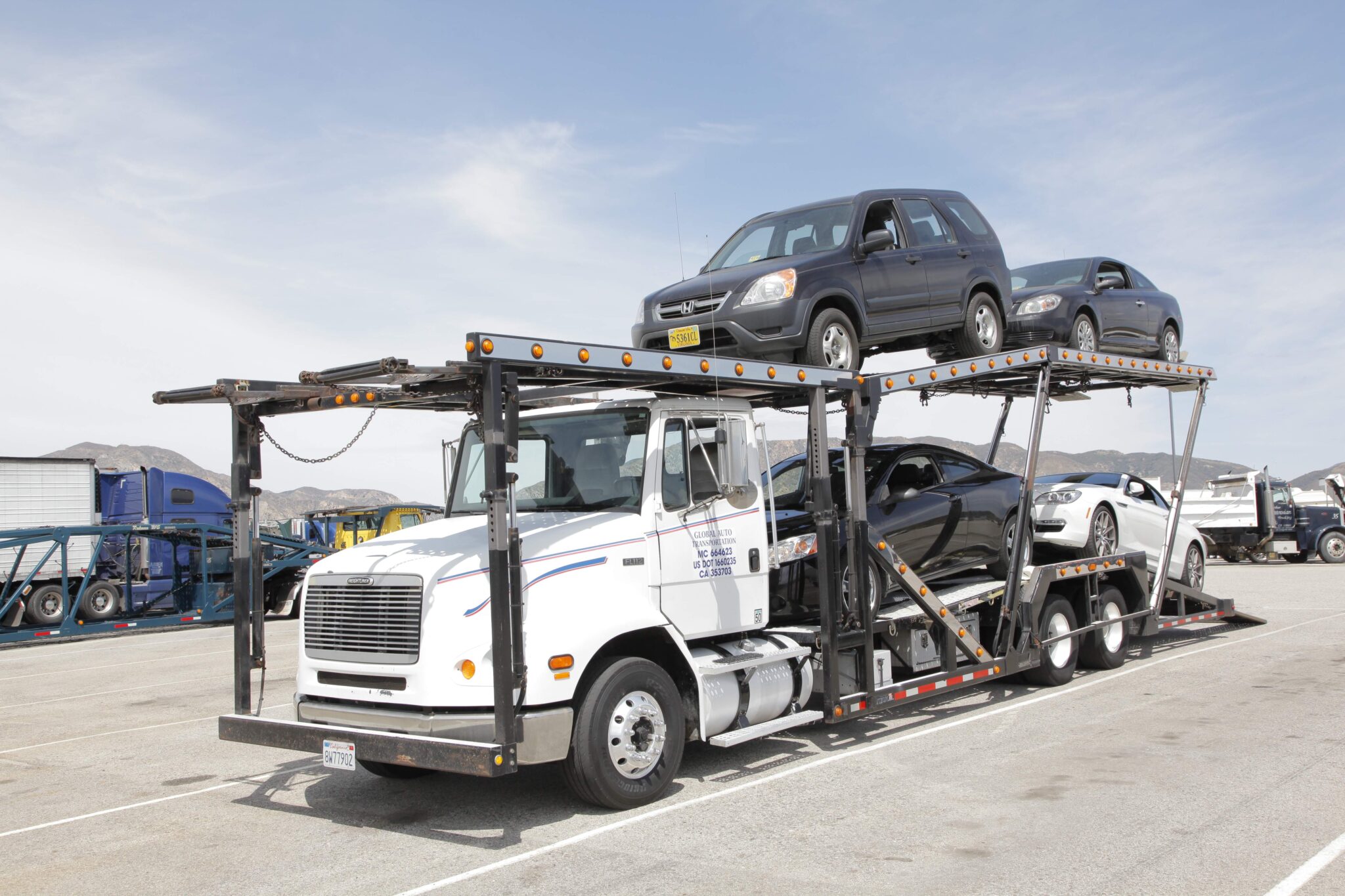
Cars transported on open trailers during hot Texas summers are exposed directly to the sun, high temperatures, and road heat. While most vehicles won’t “overheat” in the mechanical sense, prolonged exposure to extreme heat can cause damage to the paint, interior, plastics, and tires.
Sunlight can fade paint or vinyl wraps, leather seats and dashboards can dry out or crack, and high asphalt temperatures can stress tires.
For electric vehicles (EVs), extreme heat can also affect the battery if left in direct sunlight for long periods. While shipping professionals take precautions, it’s important to ensure the EV is only partially charged (around 50–70%) and protected as much as possible from direct sun during transport. Choosing the right transport method, such as covered or enclosed carriers for delicate, luxury, or electric vehicles, and preparing your car properly can minimize these risks and ensure it arrives in excellent condition.
How Carriers Protect Vehicles on Open Trailers During Summer
Transporting vehicles on open trailers during the scorching Texas summer requires extra precautions to prevent damage from sun, heat, and road debris. Professional carriers use several strategies to keep your car safe:
- Protective Covers and Tarps – Vehicles may be covered partially or fully with UV-resistant tarps to shield paint, interiors, and sensitive components from direct sunlight.
- Strategic Scheduling – Pickups and deliveries are often planned during cooler parts of the day, such as early morning or late evening, to minimize heat exposure.
- Tire and Fluid Checks – Drivers ensure tires are properly inflated and fluids are at safe levels, which helps prevent overheating and other heat-related issues during transport.
- Shaded Stops When Possible – During mandatory stops, drivers try to park in shaded areas to reduce sun exposure.
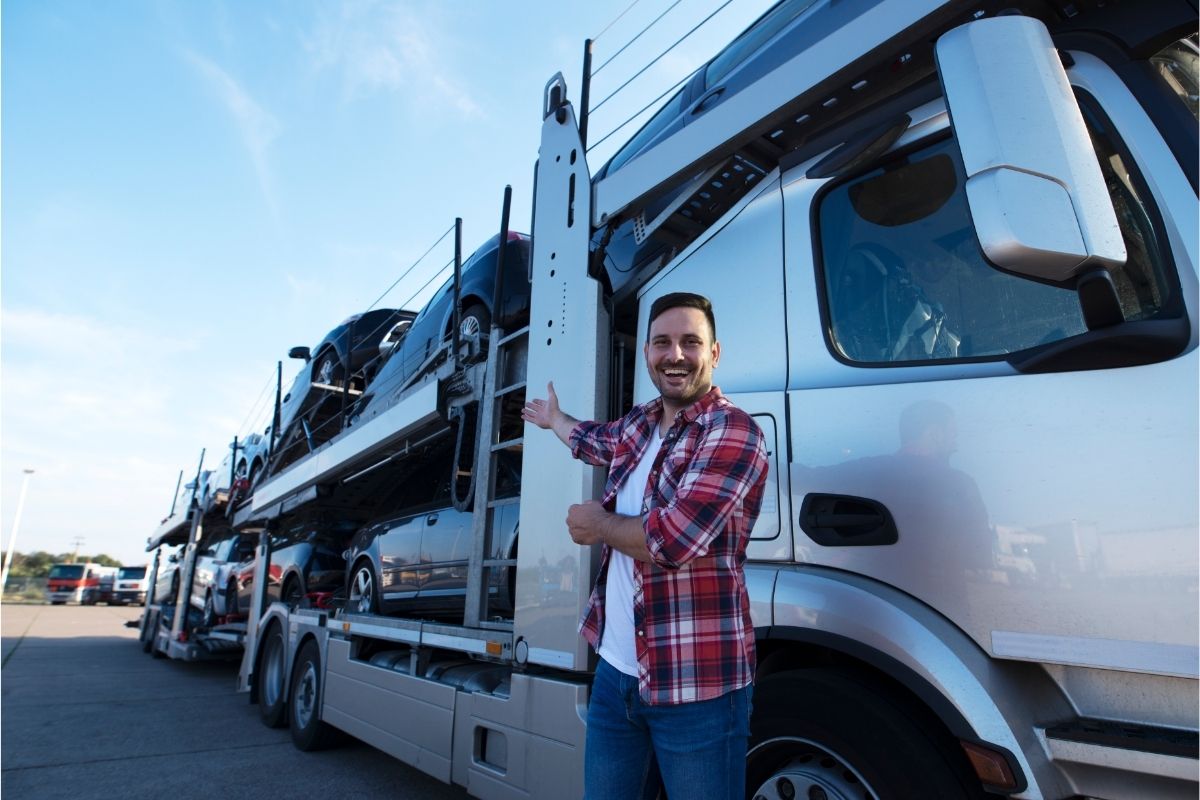
- Experienced Drivers – Carriers assign drivers familiar with handling vehicles on open trailers under extreme conditions, ensuring safe and careful loading, transit, and unloading.
- Extra Precautions for Electric Vehicles – EVs are shipped with partial battery charges, and carriers take care to limit direct sun exposure to prevent battery overheating.
Choosing the Right Car Transport Method
Selecting the right transport method during the scorching Texas summer is key to protecting your vehicle and ensuring a smooth shipping experience. Both open and enclosed transport have their advantages, depending on your vehicle type, budget, and sensitivity to heat:
Open Trailer Transport: This is the most common and cost-effective method, ideal for standard cars, trucks, and SUVs. While vehicles are exposed to sun and road conditions, experienced carriers take precautions such as tarps, strategic scheduling, and shaded stops to minimize heat-related risks. Open transport is perfect if you want a balance of affordability and efficiency.
Enclosed Transport: Recommended for luxury, vintage, exotic, or heavily modified vehicles that require maximum protection. Enclosed trailers shield cars from direct sunlight, extreme heat, dust, and debris, providing peace of mind for owners concerned about paint, interiors, or sensitive components. This option is more expensive but offers the highest level of protection during hot summer months.