Can You Ship a Car Without a License Plate?
Driving without registration is illegal unless you have a valid temporary permit issued by the state. You usually cannot legally drive an unregistered vehicle on public roads, but it can still be transported on a trailer or tow truck. Thus, shipping a vehicle without a license plate may seem like a big red flag, but in many cases it’s totally possible to have a car shipped with no legal penalty, especially when you’re working with a professional auto transport service.
Knowing the rules for shipping without a license plate between states and the rules that apply to your state can help you avoid problems and make sure your shipment goes without issues.
General Auto Transport Rules in the US
US federal and industry rules focus more on ownership documentation and transport logistics rather than on if a vehicle has license plates during shipping.
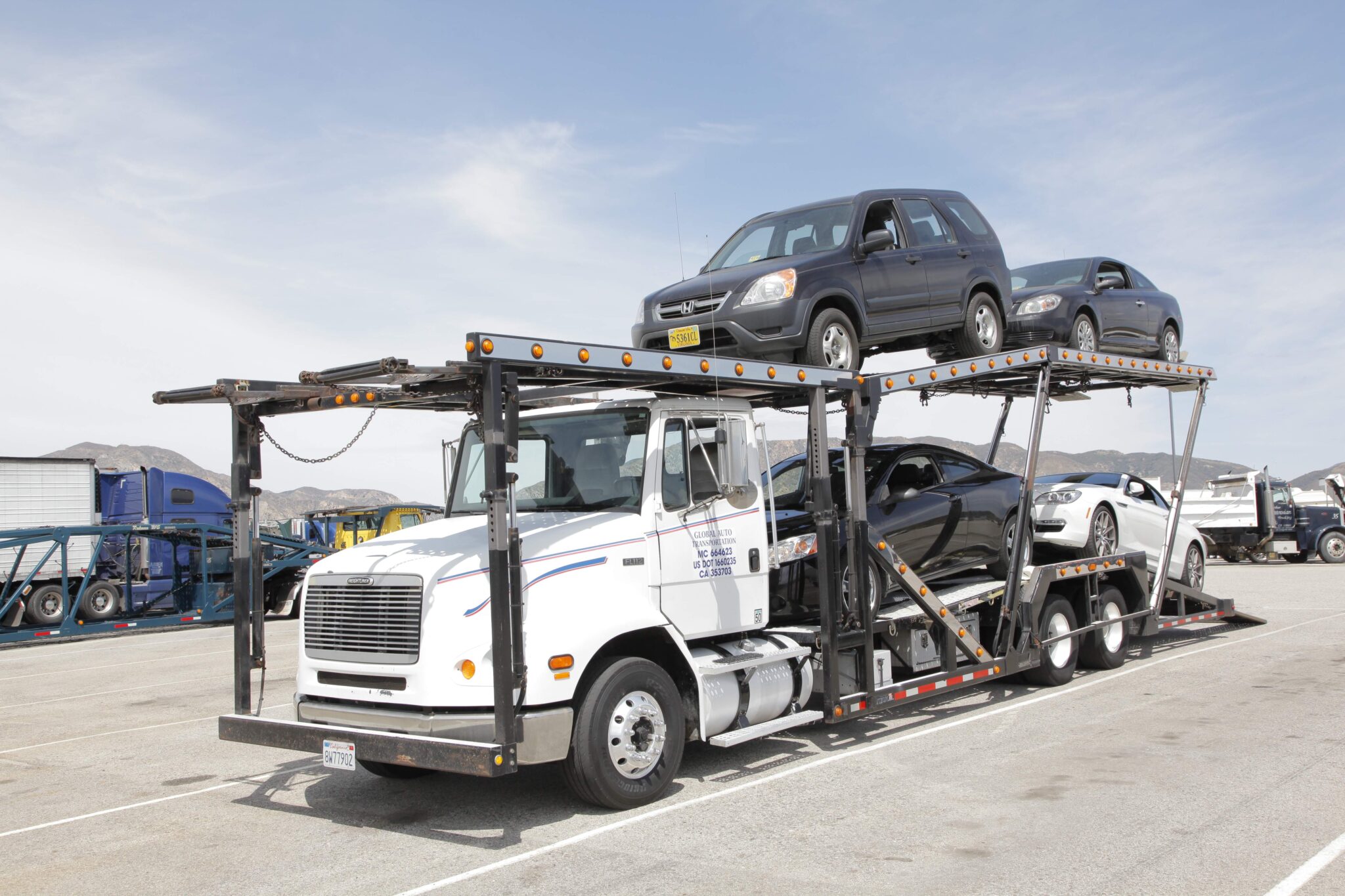
- Shipping is not driving: Car carriers ship vehicles on trailers or flatbeds. They do not require the vehicle to be driven on public roads. As a result, most transport companies ship a car regardless of whether it has license plates or current registration stickers. Only proof of ownership is needed to complete shipping paperwork (usually the VIN and title information).
- No legal requirement for plates to ship: Industry sources confirm that you can ship a car with expired registration, no registration or no plates at all. Car shipping companies don’t typically require current registration because the vehicle won’t be driven during transport.
- Ownership Verification: Though plates aren’t required, carriers will almost always ask for proof that you own the vehicle (title or bill of sale), and the VIN is essential for identification.
- Driving to Pickup: If you plan to drive the car yourself to a pickup location, plates and registration matter, because driving a vehicle without them on public roads may violate local laws.
In other words, shipping is allowed without plates; driving – isn’t.
State Rules: Do They Affect Car Shipping?
State vehicle laws mostly govern operating a car on public roads, not transporting it as freight. However, state transit or temporary permits can matter if you must move the vehicle under its own power.
What Different States Say
While rules vary, states generally offer some form of temporary movement authorization:
- California: Offers temporary operating permits or transit permits for specific situations, like moving a recently purchased vehicle.
- Florida: Provides temporary license tags/permits that help legally move a car without permanent plates.
These permits are not required for shipping itself but are essential if the vehicle will be driven (even to a transport pickup point).
Shipping a Car Without Plates in Texas
1. Texas Law on Driving
In Texas, operating a vehicle on public roads without displaying valid license plates is generally illegal once the registration period is active. Violations can lead to fines.
That means you cannot drive your car on Houston streets (or anywhere in Texas) without plates but this restriction does not apply to transporting a car on a trailer or flatbed.
2. Permits for Movement
Texas offers temporary movement permits that can be useful if you must drive the car before it’s registered:
- One-Trip Permit: for single authorized trips (e.g., from purchase location to home or DMV). Valid for 15 days.
- 30-Day Permit: for vehicles not yet registered in Texas and needed for short legal road travel.
These permits are not required for shipping, but if you need to move your car on Texas roads before or after shipment, they keep you compliant.
3. Recent Changes to Texas Plates
From July 2025,
Texas no longer issues paper temporary plates. Dealerships must provide metal plates, including certain temporary types when a car is sold. Drivers must keep the plate receipt in the vehicle until official registration documentation arrives
This policy affects driving legality, not whether you can ship a vehicle without plates.
Why It’s Easier With a Transport Company
Using a professional car shipping service whether in Houston or for cross-country transport – makes the process smoother:
- No Need for Plates or Insurance: Transporters will haul the vehicle without plates, and the carrier’s insurance typically covers the shipment.
- No DMV Wait: You avoid temporary permits and DMV visits before transport since the vehicle is not being driven on public roads by you.
- Documentation Simplified: All that’s usually required is proof of ownership, the vehicle’s VIN, and identity confirmation.
Practical Tips for Shipping Without a Plate
- Verify Ownership: Keep the title or bill of sale and confirm the VIN matches your paperwork.
- Plan Pickup Logistics: If carrier drivers pick up at a private property (driveway, storage lot), plates are irrelevant. If you must bring it to a public location, ensure you don’t drive without a permit.
- Check State Transit Permits if Needed: Useful if the vehicle must travel under its own power at any point.
In most cases, you can ship your car without a license plate in the U.S.,
including from or to Houston, Texas, as long as the vehicle isn’t being driven on public roads without proper registration or permits. Partnering with a reliable auto transport company removes most legal hurdles and lets you focus on safe, lawful delivery of your vehicle.


 April 29, 2022