How to Take Care of a Vintage Car Before Shipping It
A vintage car is a vehicle that was manufactured at least 20–30 years ago, often recognized for its historical significance, classic design, and collectible value. These cars are typically well-preserved or restored, showcasing the automotive styles and technology of their era.
Owning a vintage car is a unique and rewarding experience, but it comes with its own set of challenges. Even seasoned car enthusiasts can find classic vehicles demanding, as older models often feature outdated technology and require careful maintenance to keep them running smoothly.
Those who buy or collect vintage cars understand that repairs can be costly, and patience is essential but the payoff is undeniable: the unmatched beauty, character, and joy that only a vintage car can provide. Whether you’re shipping your classic car to a new owner, a car show, or a storage facility, proper preparation ensures it arrives safely, maintains its value, and avoids damage during transit.
Shipping a vintage car is not like transporting a standard vehicle. These classic automobiles demand extra attention due to their age, delicate parts, and often high value. Older technology, custom modifications, and fragile components make them more susceptible to damage during transit. Choosing the right shipping method is critical:
- Open transport is more affordable, it exposes the car to weather, road debris, and other risks.
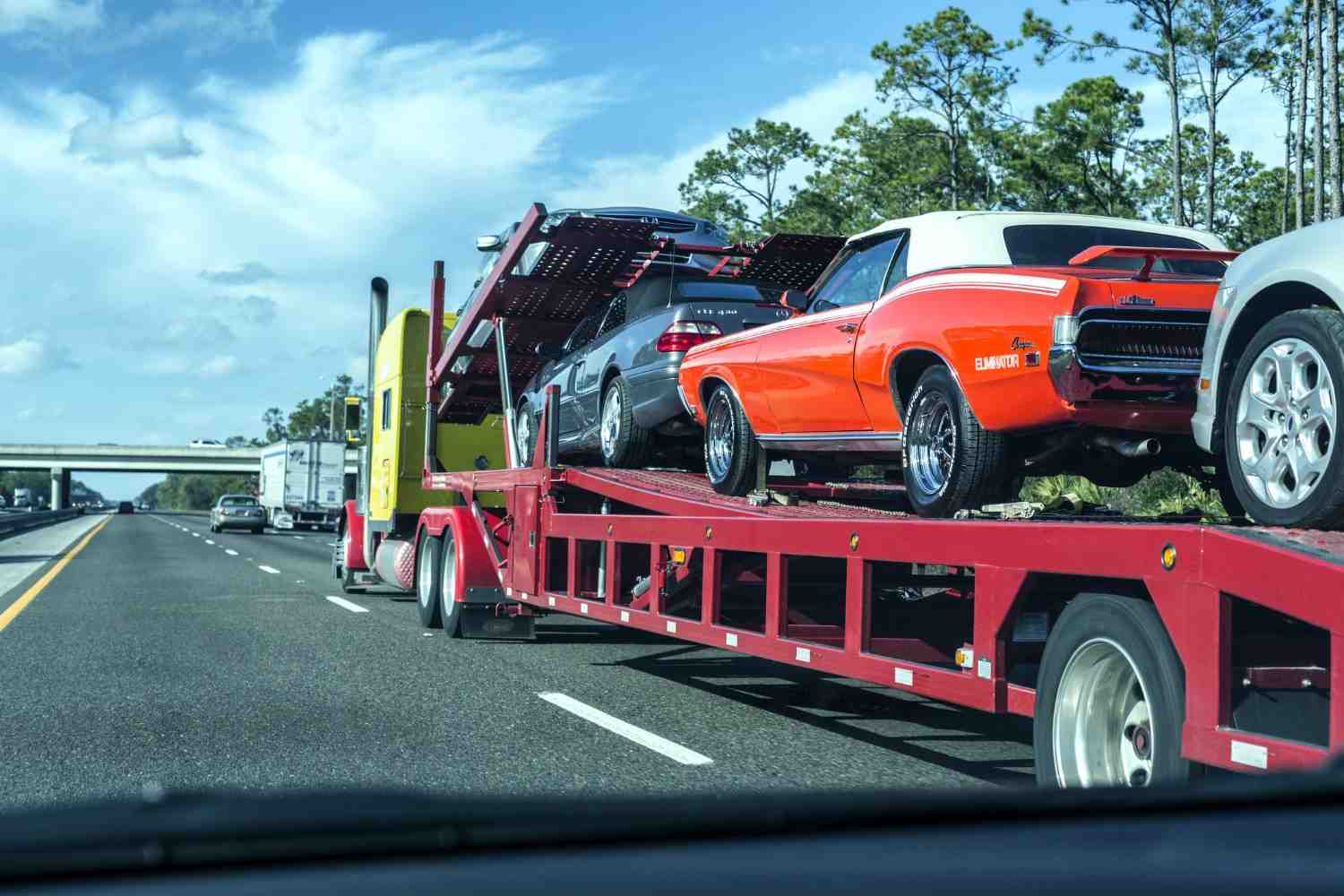
- Enclosed transport, on the other hand, provides a fully covered trailer, shielding your vintage vehicle from external elements and offering maximum protection.
Experienced drivers who have handled classic cars understand their unique handling and special care requirements, giving you extra peace of mind. Once you choose the transporting method for your vintage car, here are some practical and effective tips to prepare it for a safe and worry-free shipment.
Cover the Car and Protect the Exterior
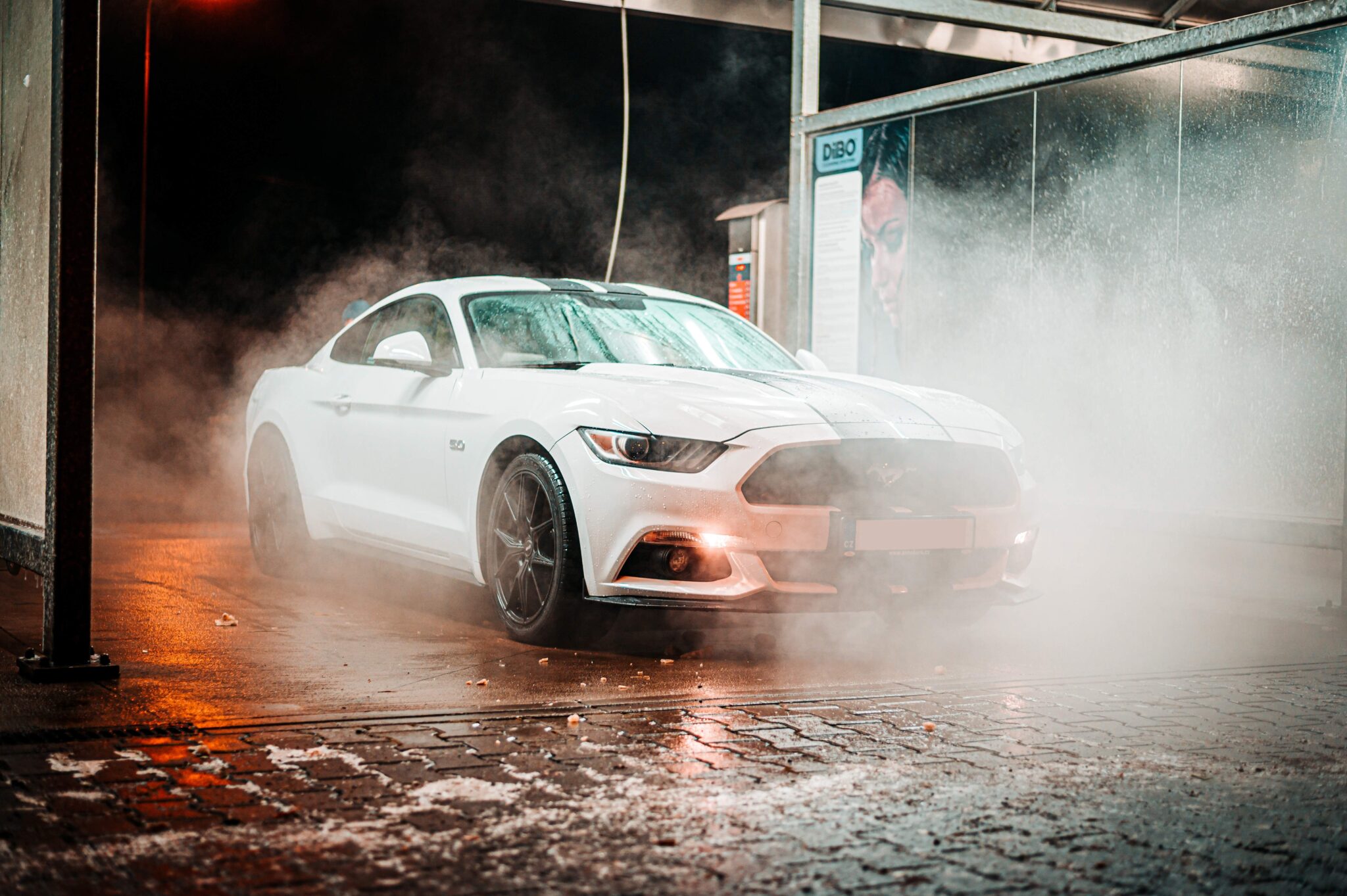
Protecting your vintage car’s exterior is one of the most important steps before transport. Start by giving the car a thorough wash and wax to remove dirt, grime, and road salt, which can scratch or damage the paint during transit. Use a high-quality, fitted car cover to shield the vehicle from dust, debris, and weather exposure, especially if it will be shipped on an open trailer. For extra protection, delicate trim, chrome accents, and custom paintwork can be wrapped with soft, non-abrasive materials. Taking these precautions helps ensure your retro car maintains its pristine appearance throughout the journey.
Check Fluid Levels and Battery
Check all fluid levels in your vintage car, including engine oil, coolant, brake fluid, transmission fluid, and windshield washer fluid.
Older vehicles may have leaks or worn seals, so ensure there are no drips that could cause issues during transport. For electric or hybrid vintage models, verify the battery charge is around 50–70% to balance safety and weight. Additionally, inspect the battery’s condition as older batteries may lose charge faster in transit or colder temperatures. Properly maintaining fluids and battery health helps prevent mechanical problems and ensures your classic car arrives safely at its destination.
Inspect Tires and Suspension
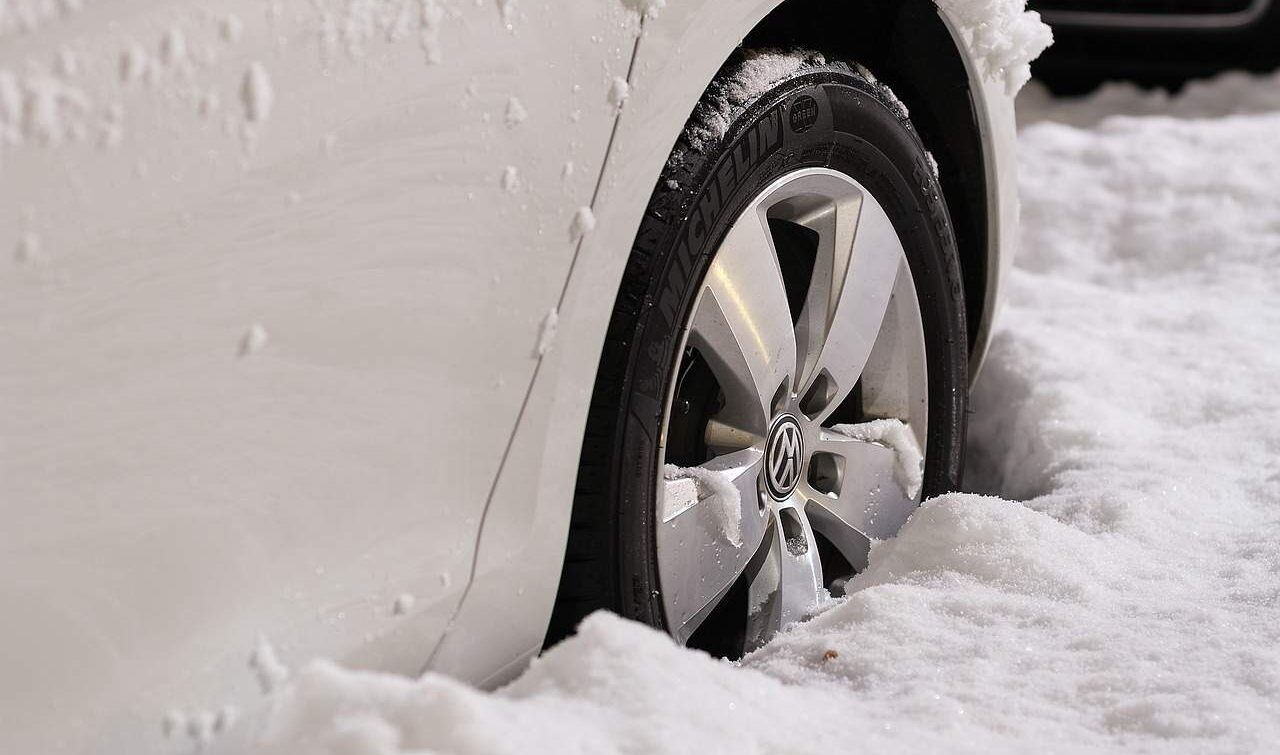
Make sure all tires are properly inflated to the manufacturer’s recommended pressure, as cold temperatures or long periods on a trailer can cause air pressure fluctuations. Examine the tires for signs of wear, cracks, or dry rot, which are more common in older vehicles and can pose a risk during transit.
Vintage cars often have worn suspension components due to age, including shocks, struts, and springs, which may affect stability during transport. Inspect the suspension carefully and address any issues beforehand to reduce the risk of damage during loading, transit, and unloading, ensuring your classic car arrives safely.
Document Vehicle Condition
Documenting your vintage car’s condition in detail is important before it is transported. Take crisp, in-depth pictures of the outside, inside, and any special features; pay close attention to any dents, scratches, or other flaws. Make a written note of these details and save it with the carrier’s Bill of Lading. This paperwork is crucial in the unlikely event that the car is damaged during transit and acts as evidence of its pre-shipment condition. For vintage cars, which often carry higher value and collectible status, careful documentation ensures peace of mind and protects your investment.
Ship Your Vintage Car with Houston Auto Shipping
If you own a classic or vintage car, you don’t want to put unnecessary mileage on it. Therefore, if you need to sell it or head to a car show, you should ship your car! Houston Auto Shipping has an excellent enclosed transport service that is perfect for vintage cars. When we ship cars in our enclosed carriers, they’ll be completely protected from the elements during transport. It’s the perfect way to keep your retro car looking just like the day you bought it!

 September 28, 2022